
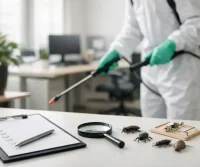
A single mouse dropping beneath the kitchenette sink can quickly become a staff concern, a client complaint or an expensive building-wide problem. This office pest control checklist helps business owners, facilities managers and office managers identify risks early, act decisively and keep their premises clean, safe and professional.
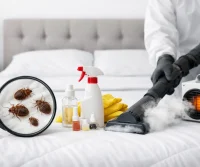
Bed bugs do not stay politely contained in one room. They move along skirting boards, through cracks around pipework and between adjoining flats, while bites and lost sleep make every day feel urgent. This bed bug treatment comparison explains the real differences between heat, insecticide, steam and fumigation, so you can choose a treatment that matches the scale of the infestation and the property.

A single mouse dropping beside a dry-store shelf, a trail of ants near a syrup station or a moth in a bag of flour can quickly become far more than an unpleasant sight. This guide to food pest risks explains where food premises are most exposed, what warning signs demand action and how to protect stock, customers and your reputation.
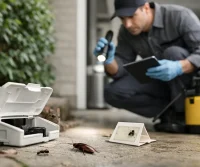
A single dropping behind a kitchen appliance or a faint scratching sound in the loft may not look urgent. Left unchecked, however, these early clues can become a costly infestation, damaged stock, failed hygiene checks or sleepless nights. This guide to pest monitoring explains how to spot activity early, record what matters and act before pests become established.
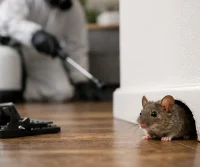
A mouse reappearing after you have set traps or had a treatment can feel like the original problem was never solved. The question, why do mice return, usually has a practical answer: the food, shelter or access route that brought them in has not been fully removed. Killing or trapping the mice you see matters, but it is only one part of getting control of the problem.

A mouse scratching in the loft at midnight, bed bug bites appearing after sleep, or rats seen near a food store cannot be left to chance. The right questions before hiring exterminators help you separate a fast, professional response from a temporary fix that allows pests to return.

A wasp nest in the loft, bed bugs in a bedroom or insects spreading through a food premises is not a problem to leave until next week. If you are asking how much does fumigation cost, the honest answer is that the price depends on the pest, the scale of the infestation and the treatment needed to remove it safely.

A fumigation appointment is not a job to leave until the technician arrives. The preparation you complete beforehand affects how safely the treatment can be carried out and how well it reaches the pests hiding in your property. Whether you are dealing with bed bugs, fleas, moths, cockroaches or stored-product insects, clear access and correct precautions give the treatment its best chance of working first time.

Scratching that starts shortly after dawn, rapid scurrying above a bedroom ceiling, or a new hole at the edge of the roof is not a problem to leave for the weekend. Squirrel control in roof spaces needs prompt, planned action because a squirrel can damage cables, insulation, timber and stored belongings surprisingly quickly.

A failed inspection rarely starts on the day an Environmental Health Officer arrives. It starts with the small signs a business has put off dealing with: droppings behind a fridge, damaged stock in a store room, flies around a drain or a gap beneath a fire door. This guide to commercial pest compliance explains how to control those risks before they threaten your hygiene rating, customers, staff or reputation.