

When you have a dog sniffing every skirting board or a cat claiming every sunny windowsill, one question matters straight away: is pest control safe for pets? The honest answer is yes, it can be – but only when the treatment is chosen properly, applied by a trained technician, and backed by clear aftercare. The bigger risk is often trying to deal with a pest problem yourself using the wrong product, the wrong dose, or the wrong placement.
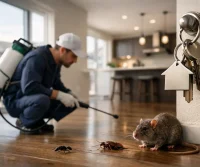
A single mouse sighting can turn into a tenancy dispute faster than most landlords expect. One tenant blames the building, another blames next door, and meanwhile the problem spreads behind kitchen units, under floorboards or into the loft. That is why pest control for rental properties needs a clear plan from the start, not guesswork once complaints begin.

One complaint about mice in the loft can turn into damaged wiring, unhappy tenants and a dispute over who should pay. That is exactly why a clear landlord pest control responsibilities guide matters. If you let property, you need to know where your duty starts, where the tenant’s duty begins, and when fast professional treatment is the only sensible option.

If you can hear scratching above the ceiling at night, you are probably not imagining it. One of the most common calls we deal with is from property owners asking how to stop mice entering loft areas before a small problem turns into a full infestation. Loft spaces are warm, quiet, rarely disturbed, and full of nesting material, which makes them ideal for mice once they find a way in.

You usually notice rodents after they have settled in, not when they first arrive. That is what makes the top signs of rodent infestation so important. A few droppings in a cupboard or scratching behind a wall can look minor at first, but rodents breed quickly, contaminate food, damage wiring and turn a small issue into a costly one.

The first sign is usually not the bug itself. It is the pattern – itchy bites after sleep, tiny black marks on the mattress, or a faint sweet, musty smell in the bedroom. If you are searching for the best ways to stop bed bugs, speed matters, but so does getting the method right. A rushed DIY attempt can scatter them into new rooms and turn a contained problem into a much bigger one.

You usually do not see the first rat straight away. What you notice first is the pattern – disturbed soil around a fence line, droppings near the shed, or something helping itself to the bird seed every night. If you are wondering what attracts rats to your garden, the answer is rarely one single thing. Rats settle where food, water, shelter and safe access all come together.

You notice the scratching at 2am, find droppings under the sink, or spot bed bug bites after a night of broken sleep. That is usually when the question shifts from theory to urgency – professional pest control vs DIY is no longer a casual comparison, but a decision that affects your home, business, time and money.

Hearing scratching in the loft at 2am usually tells you two things straight away – you have a rat problem, and you need to deal with it quickly without putting your family, pets or staff at risk. If you are wondering how to get rid of rats safely, the key is to combine fast action with the right method. Rushing into it with the wrong trap, poor clean-up, or shop-bought poison in the wrong place can make the problem worse.

A tenant reports scratching behind the kitchen units, droppings under the sink, and a strong smell coming from the cupboard. At that point, rat control for landlords stops being a minor maintenance issue and becomes a matter of health, property protection and tenant confidence. Leave it too long and a small problem can turn into damaged wiring, contaminated food areas and formal complaints.